
Modular Transit Shelters
Bolt-together panels in 4-, 6-, 8-, and 10-foot configurations — re-locatable, expandable, no welding on site.
Modular Transit Shelters
Modular transit shelters are factory-pre-assembled in standardised bays that bolt together on site to create shelters of any length from 4 ft to 60 ft without custom engineering for each variant. The system uses a common 6063-T6 aluminum extrusion family with 3-bay, 5-bay, and 8-bay spans; each bay carries the snow and wind load locally, so the structure scales linearly with no engineering rework when you stretch from a 12 ft shelter to a 24 ft platform canopy.
Features & Specifications
About Modular Transit Shelters
Key Takeaways
- ✓Key features: 3-bay, 5-bay, 8-bay aluminum extrusion family — span 4 ft to 60 ft without custom engineering, Bay-level snow and wind engineering with continuous-canopy moment connections, Factory-glazed, factory-wired, flat-pack: 24 ft 8-bay shelter fits in one 53′ trailer
This is the right specification for bus terminals, BRT (Bus Rapid Transit) stations, light-rail interchange platforms, GO Transit park-and-ride canopies, and airport ground-transport zones where shelter length is tied to vehicle pull-up geometry rather than rider count. We've shipped 120 ft GO Transit canopies in 8-bay spans for Metrolinx and 24 ft BRT shelters for the Mississauga MiWay BRT programme. Each bay is delivered factory-glazed, factory-wired (where lighting/heat/USB is specified), and ships in flat-pack format on standard 53-foot trailers — a 24 ft, 8-bay shelter fits in one trailer including bench, signage, and footing hardware. On-site assembly is 2 techs × 2 days per bay average; an 8-bay shelter is up in 4 working days excluding footings.
Modular Transit Shelters — Engineering & Construction
Modular shelters carry the same NBCC 2020 stamps as our standard product, with bay-level snow-load and wind-load engineering plus a continuous-canopy moment connection at each bay junction. Glazing choice (single tempered, double IGU, or polycarbonate) and bench length are field-configurable — a procurement team can swap configurations between sites without a new engineering cycle. Lead time 8–14 weeks; pricing scales linearly per bay starting at $4,800 per bay structure-only. A major advantage of the modular system is phased deployment: you can install a 3-bay shelter in year 1 and add 2 more bays in year 3 without removing the original — the bay junctions are designed to accept additions, and the engineering envelope already covers the longest configuration.
Installation & Compliance
This is how Metrolinx scaled GO Transit canopies as ridership grew at Mississauga, Oakville, and Burlington stations. Warranty is 10 years on the aluminum frame and bay junctions, 5 years on glazing, 3 years on bench, 2 years on lighting and electrical. The same warranty applies to bays added in later phases — your year-5 expansion bay carries a fresh 10-year clock from its install date, not the original commissioning. Maintenance contracts are priced per bay ($200–$400 per bay per year), so a 24-foot 8-bay shelter costs about the same to maintain as eight standalone shelters but with one site visit instead of eight.
Warranty & Support
Key Takeaway: Climate-rated, AODA-compliant, and stamped-engineered for Canadian transit deployment — full procurement documentation included.
Product Specifications
| Specification | Details |
|---|---|
| Product | Modular Transit Shelters |
| Frame & Glazing | 6063-T6 aluminum frame; 6 mm tempered safety glass to CSA Z97.1 (polycarbonate option) |
| Installation | Bonded crews, full traffic-management, 3–4 working days per site |
| Warranty | 10-year structural; 5-year glazing & bench; 48-hour replacement-parts SLA |
| Compliance | NBCC 2020 stamped engineering; AODA / CSA B651-18 accessibility |
| Lead Time | 6–10 weeks standard configurations; 8–14 weeks custom |
Why Choose Modular Transit Shelters?
Modular Transit Shelters from BusShelters.ca are engineered for Canadian transit conditions — climate-rated, accessibility-compliant, and shipped with full procurement documentation so AHJ review is single-pass.
Modular Transit Shelters Available Across Canada
We design, supply, and install modular transit shelters in major cities across all 10 provinces and 3 territories.
Frequently Asked Questions About Modular Transit Shelters
How long does a bus shelter installation take?
A standard 4-foot or 6-foot freestanding shelter installs in 4–8 hours on a prepared concrete pad. If we pour footings, total project time is 3–5 days including 48-hour concrete cure. Larger custom or modular configurations take 1–2 weeks. Smart-shelter electrical and data hookups add 1 day. We coordinate around transit-service schedules and typically complete municipal installs in single overnight windows. Permitting is the variable: in mature municipalities (Toronto, Montréal, Vancouver, Ottawa, Calgary) building and right-of-way permits issue in 2–4 weeks; smaller municipalities can stretch to 6–8 weeks when the public-works engineer is the only reviewer. We handle the permit submission ourselves and provide weekly status updates. For projects with tight occupancy-permit deadlines, a temporary-shelter rental (8-week minimum) covers the gap until the permanent install completes — used most often on private-developer site-plan-approval timelines.
What's the difference between a bus shelter and a transit shelter?
In practice they're used interchangeably. Bus shelter is the more common consumer term; transit shelter is the term most Canadian municipalities and transit authorities use in RFPs and contracts (because shelters can serve buses, BRT, light rail, or commuter rail stops). Our product line covers all transit modes — the engineering and accessibility standards are identical. Functionally the structure is the same — three glazed walls, a roof sized for local snow load, an integrated bench. The terminology shift reflects scope: a transit shelter can serve any mode (bus, light rail, BRT, ferry-terminal queue), and the canopy lengths used at LRT and BRT stations are typically longer than a single-bus shelter. Our modular product family scales from a 4 ft single-rider transit shelter up to a 60 ft BRT-station canopy on the same engineering platform — the term used in your RFP doesn't change the product family we ship.
Can I see a bus shelter in person before ordering?
Yes. Our showroom in Brantford, Ontario displays full-size production units of every product line. We also maintain installed reference sites in Toronto, Montreal, Vancouver, Calgary, and Halifax that prospective municipal clients can visit by appointment. Engineering and procurement teams can request stamped drawings and material samples shipped overnight. Our showroom in Brantford, Ontario has full-size examples of every product line — standard, solar, heated, accessible, smart, modular, and several custom-architectural pieces — set up as you'd see them on the street. We host site visits Monday–Friday 8am–5pm Eastern by appointment; group visits for transit-authority procurement teams are common and we'll co-ordinate the agenda with your team's schedule. For teams outside Ontario, we can also direct you to deployed-in-the-field reference sites in your region — most of our recent municipal installs have a public-right-of-way location available for inspection.
Do you supply French-language labelling and signage for Quebec deployments?
Yes. All shelters destined for Quebec ship with French-only or French-dominant signage in compliance with the Charte de la langue française (Loi 96). Manuals, decals, and digital displays default to French with English available where federally regulated. Our Montreal and Quebec City installation crews are bilingual. Bill 96 (Loi 96) tightened French-signage requirements effective June 2025 — functional copy on transit signage must be in French, and where bilingual signage is permitted the French version must be at least equally prominent. We work with the Office québécois de la langue française (OQLF) signage standard for every Quebec deployment and supply the francophone-review certificate with project closeout. Our QC project manager is bilingual and routes francophone content through native review before fabrication. Same approach for New Brunswick official-bilingualism sites — both languages, equal prominence, OQLF-equivalent review.
Related shelters
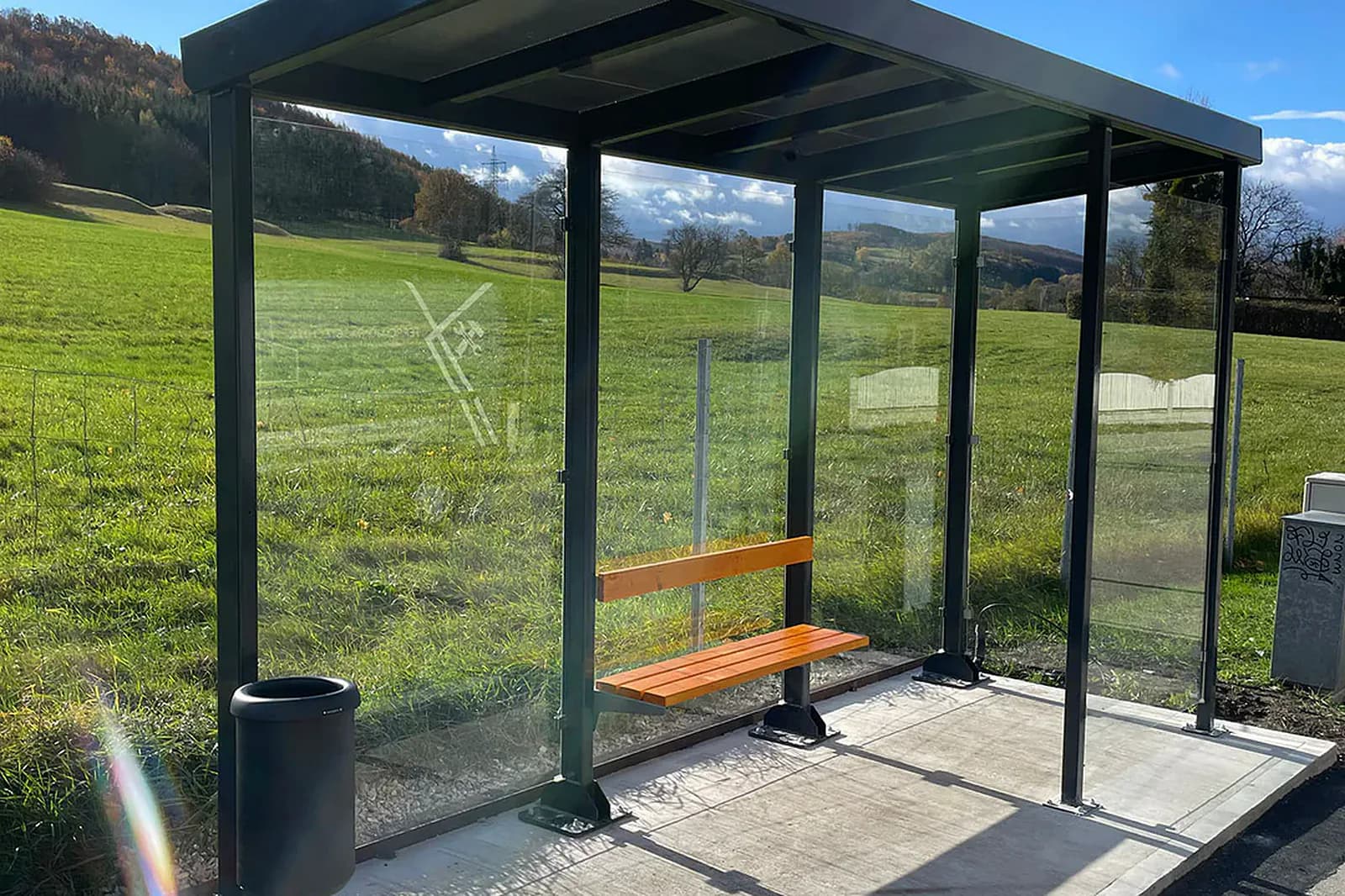
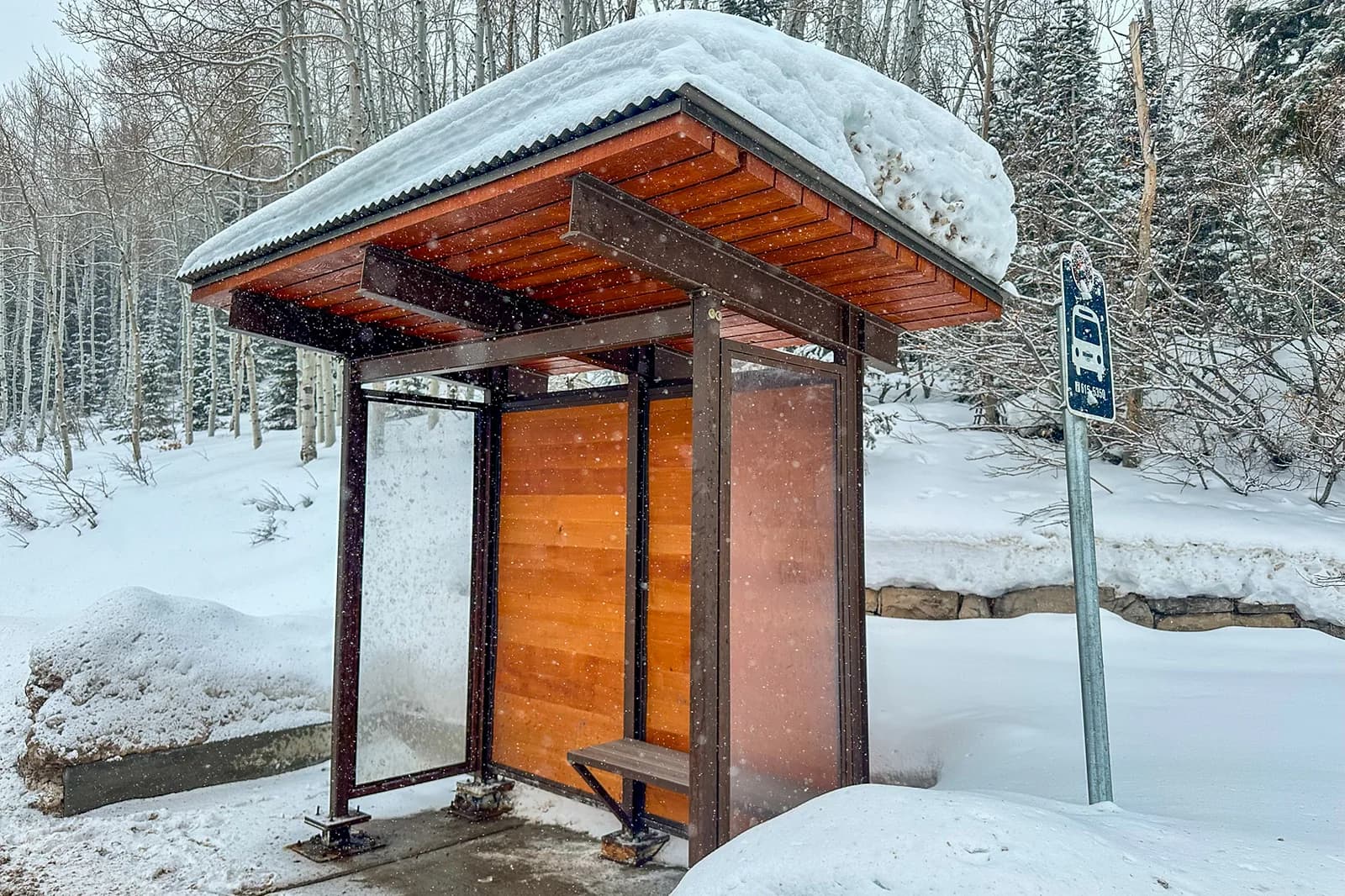
Standard Bus Shelters
Cantilever and freestanding bus shelters built for Canadian winters — tempered glass walls, anti-graffiti panels, integrated bench.
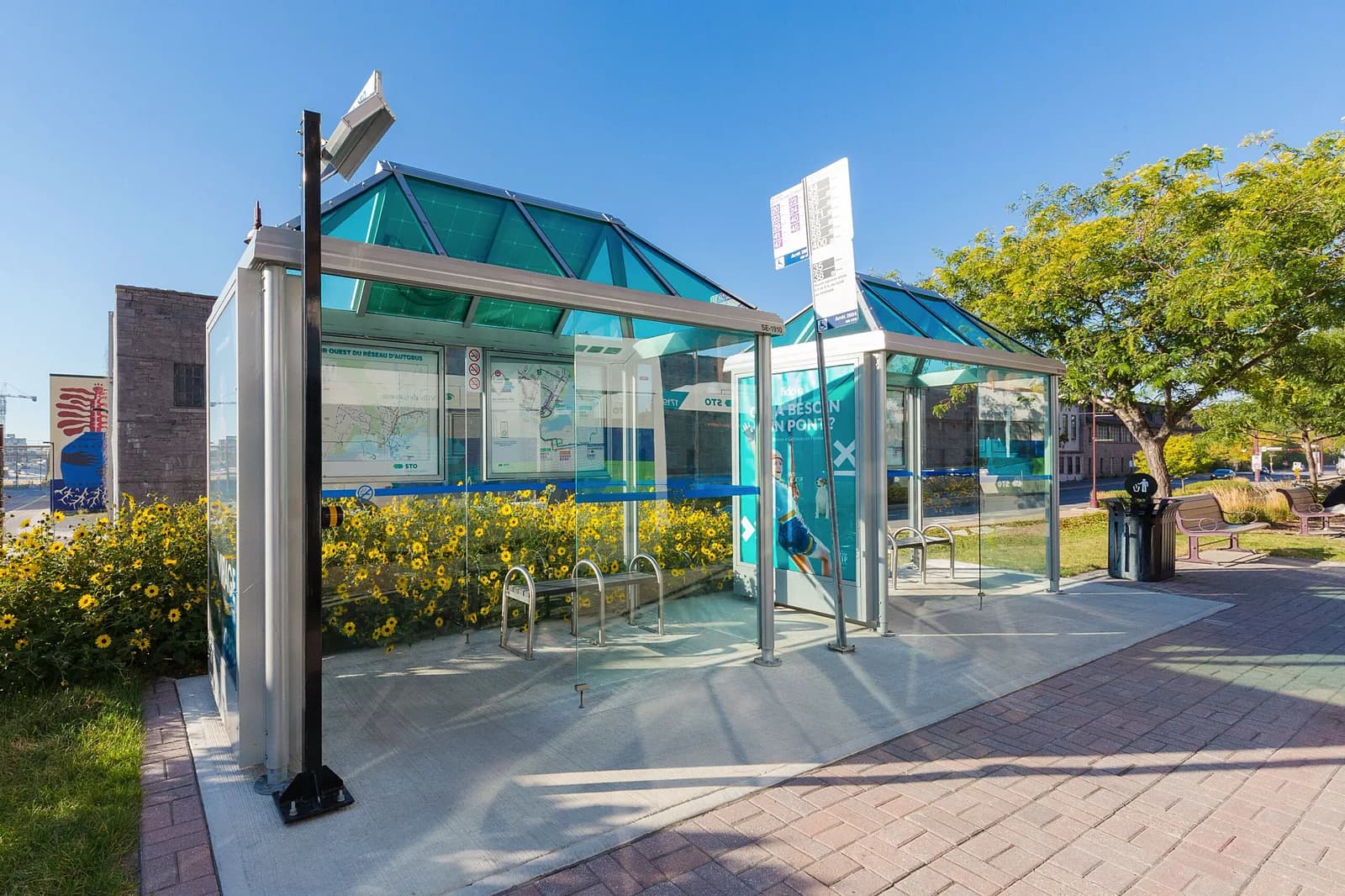
Solar-Powered Bus Shelters
Off-grid LED-lit shelters with rooftop PV array — no trenching, no electrical connection, full winter operation.
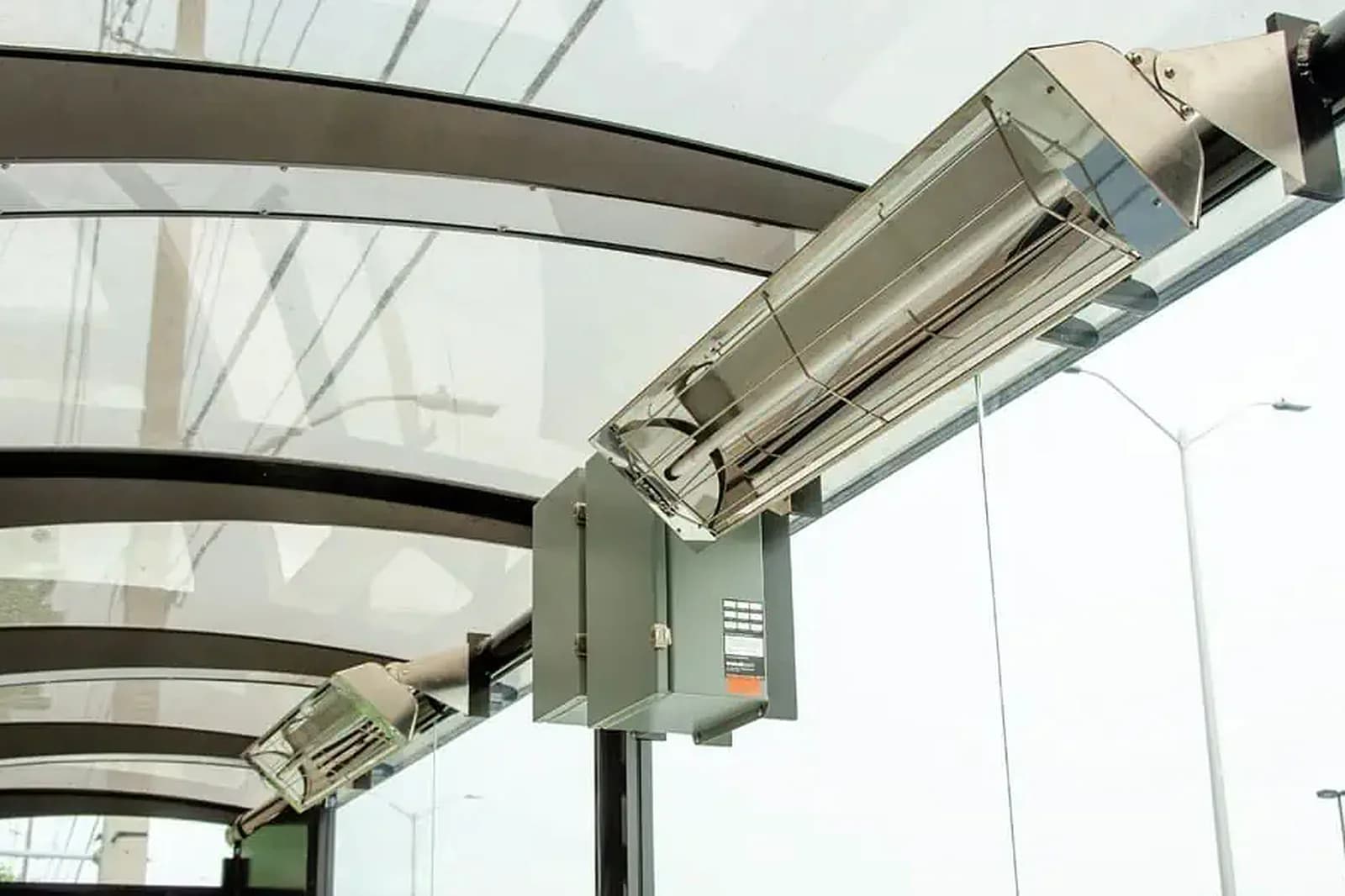
Heated Bus Shelters
Radiant overhead heating panels triggered by motion sensor — thermal comfort below -30°C, heated bench seat option.
Need Modular Transit Shelters?
Our bid desk responds to every quote and RFP within one business day. Volume discounts available on 20+ unit orders.