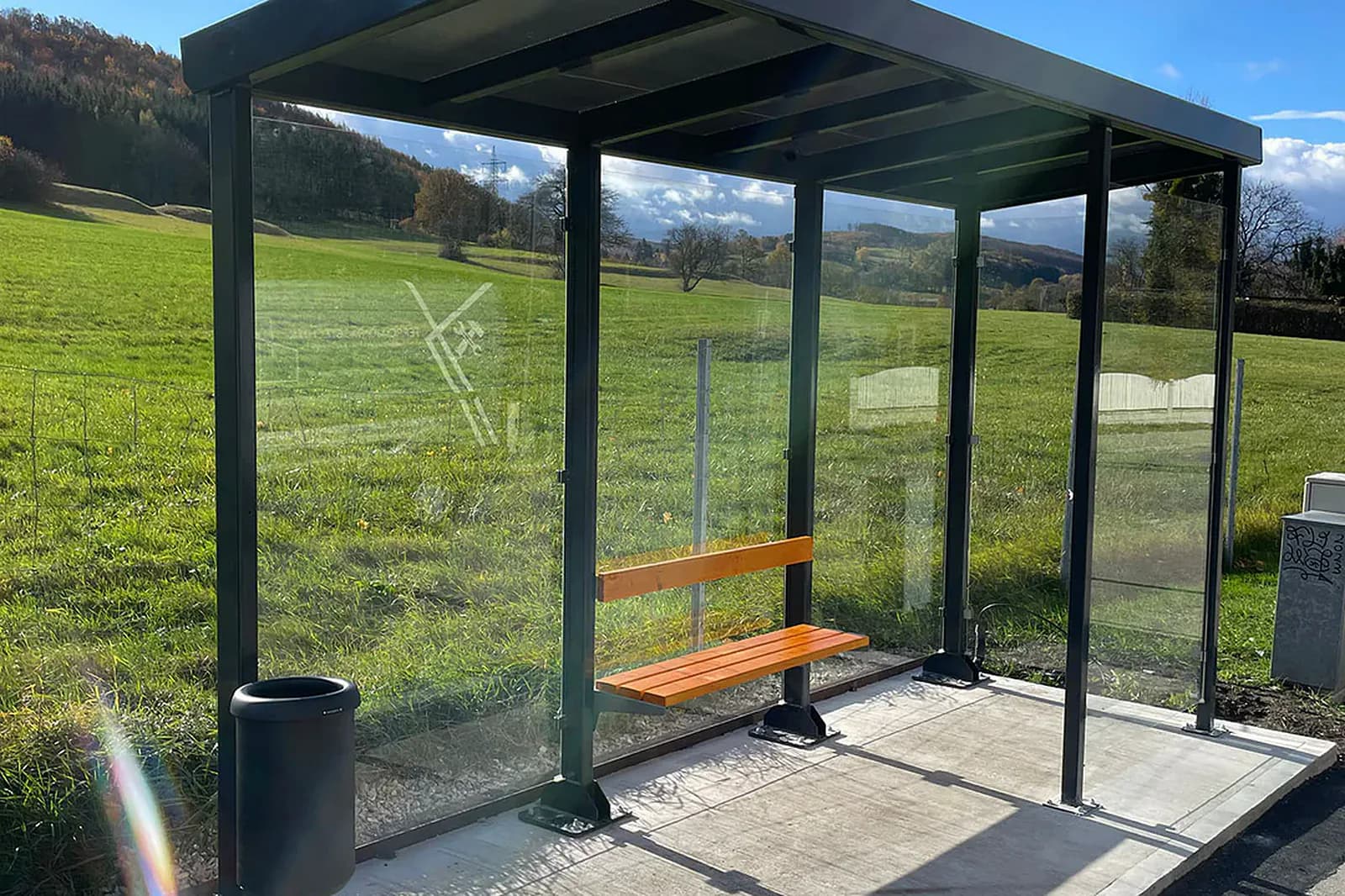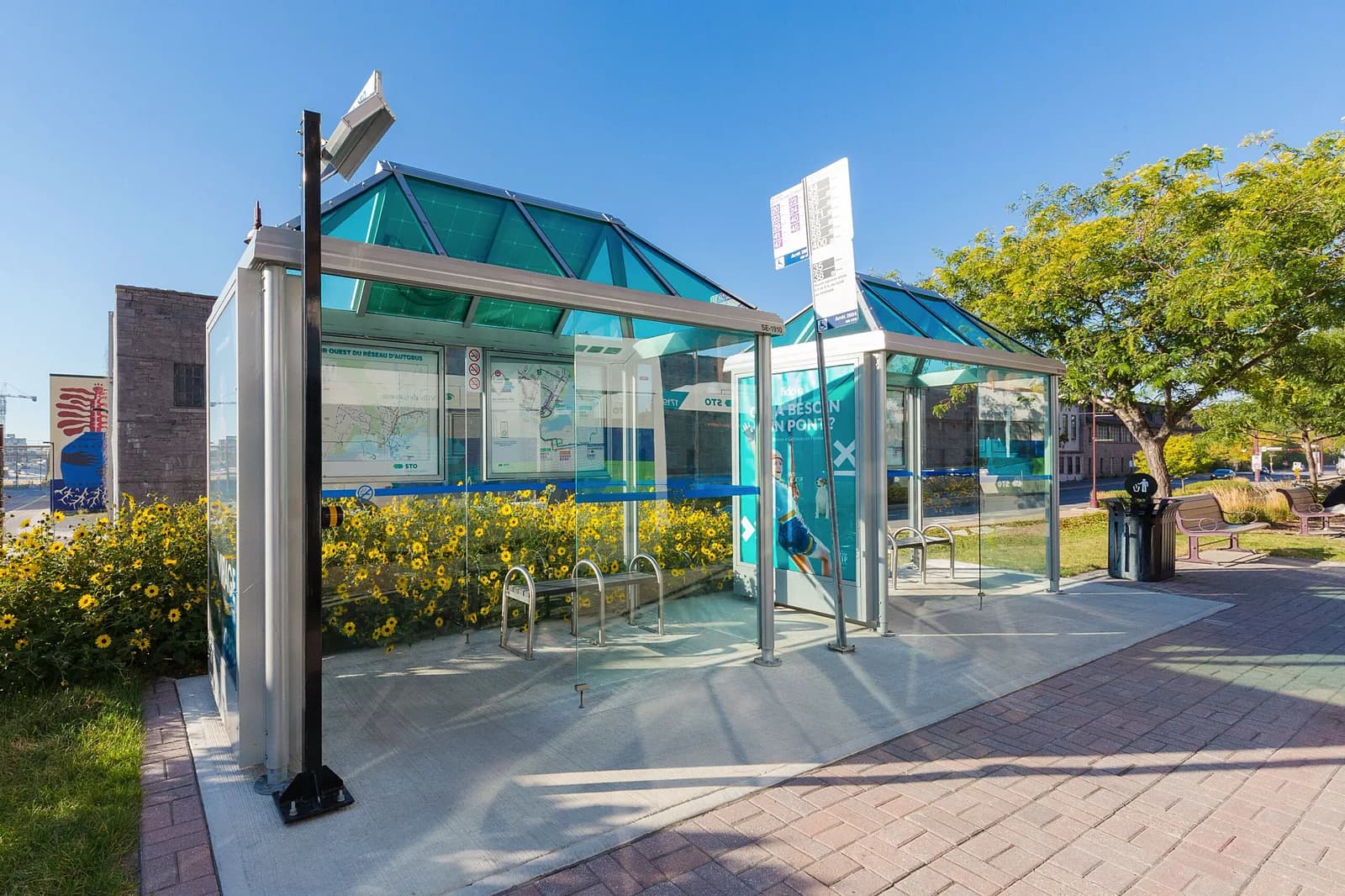
bus shelters in Trois-Rivières.

bus shelters in Trois-Rivières.

Engineered, supplied, and installed in Trois-Rivières, Quebec — climate-rated, AODA-compliant, with stamped drawings.

bus shelters in Trois-Rivières, Quebec
At a glance

Trois-Rivières, QC

Trois-Rivières, Quebec, is served by Société de transport de Trois-Rivières (STTR) (17 routes) and is home to roughly 180 transit shelters across the city. The local design code requires every shelter to handle a 2. 7 kPa snow load and a 0.

Transit authority
Société de transport de Trois-Rivières (STTR) · 17 routes
Shelter network
~180 shelters
Snow load (Ss)
2.7 kPa
Wind load (q1/50)
0.4 kPa
Get a Quote
Specifications

Engineering Specs for Trois-Rivières

Transit authoritySociété de transport de Trois-Rivières (STTR) · 17 routes
Shelter network~180 shelters
Snow load (Ss)2.7 kPa
Wind load (q1/50)0.4 kPa
Frost depth1.5 m
Climate zoneZone 6
Avg snowfall245 cm
Avg winter temp-10.3°C
Accessibility codeCNB / RBQ
Population139K
On the ground in

bus shelters in Trois-Rivières

The Trois-Rivières fleet operates roughly 180 shelters across 17 Société de transport de Trois-Rivières (STTR) routes, with stamped engineering at Ss 2. 7 kPa snow load and q1/50 0. 4 kPa wind load. Local installs use municipal-permit submission, locate-clearance documentation, and traffic-management plans co-ordinated with Quebec highway and right-of-way standards.

Trois-Rivières — Engineering & Permits

Replacement parts ship from Brantford with a 48-hour SLA to Trois-Rivières maintenance teams, and our regional install crews are bonded and insured for Quebec prevailing-wage public-sector work.

In Trois-Rivières, Quebec, every shelter is engineered to 245 cm annual snowfall, -10.3 °C average winter temperature, and 1.5 m frost-depth footings — with CNB / RBQ accessibility compliance and stamped engineering for Zone 6. BusShelters.ca delivers, installs, and maintains for Société de transport de Trois-Rivières (STTR) and private clients.

Benefits

Why Trois-Rivières clients choose BusShelters.ca

Built for Canadian WintersStamped to NBCC 2020 snow and wind loads for every Canadian municipality — frost-depth footings from 0.6 m to 3.0 m.
Procurement-ReadyStamped drawings, BOM, COC, and as-built package delivered with every shipment so AHJ review is single-pass.
AODA & CSA CompliantMeets AODA, CSA B651-18 accessibility, and CSA Z97.1 safety-glass requirements without optional add-ons.
48-Hour Parts SLAReplacement glazing, panels, and benches ship within 48 hours from our Brantford, Ontario warehouse.
FAQ

Frequently Asked Questions — Trois-Rivières

How much does a bus shelter cost in Canada?

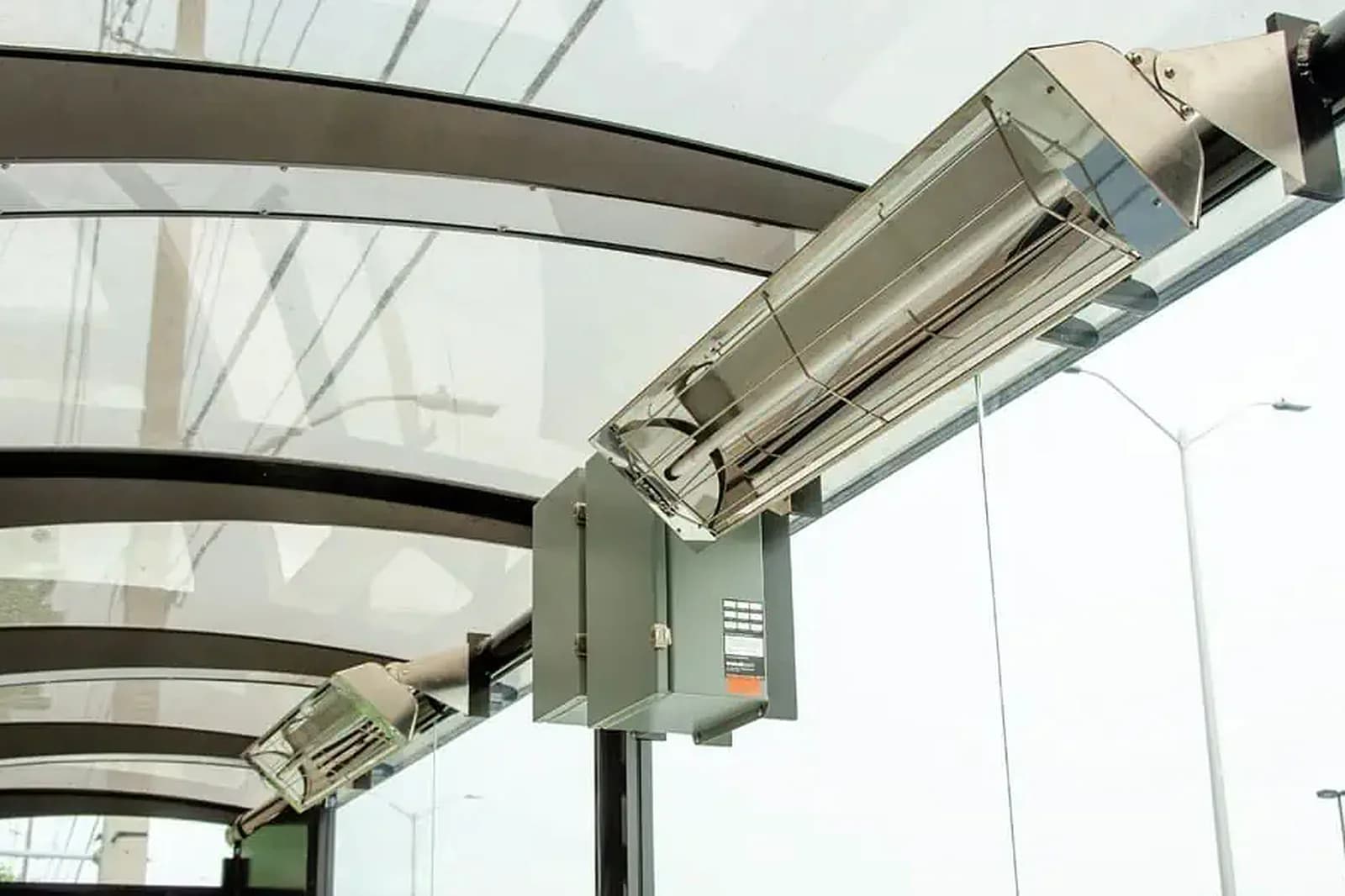
In Canada, standard freestanding bus shelters typically run **$6,500–$14,000** for the structure plus **$2,500–$6,000** for installation, including footings and electrical. Solar-powered units add **$1,500–$3,500**, and heated shelters add **$3,000–$7,000** depending on heater wattage and bench heat. Custom architectural shelters for heritage districts or campuses can reach **$25,000–$60,000+**. Volume orders of 20+ units typically reduce per-unit pricing by 15–25%. Lifecycle cost is the better lens than first-cost: a stamped-engineered shelter with a 10-year structural warranty and a 48-hour parts SLA typically delivers a **15–18 year service life** on the structure and **5–8 years** on glazing and benches before refresh, which works out to roughly **$1,000–$1,800 per shelter per year** total cost of ownership including maintenance. Off-grid solar and heated configurations carry a higher first-cost but eliminate trenched-electrical and ongoing utility charges, which on rural sites pays back inside 6 years.

What snow load and wind load should a Canadian bus shelter meet?

Canadian bus shelters must be engineered to the **National Building Code of Canada** snow and wind loads for the installation city — these vary widely (e.g., **2.2 kPa snow** in Toronto vs. **3.9 kPa** in Saguenay; **0.44 kPa wind** in Toronto vs. **0.84 kPa** in St. John's). All BusShelters.ca structures ship with stamped engineering drawings specific to your city and frost depth. Both values come from **NRCan Climatic Data tables** referenced in NBCC 2020 — there's a published 1/50-year value for every Canadian municipality, which is what the P.Eng. stamp is calculated against. For coastal sites add a **terrain-exposure factor** (Vancouver Island, Atlantic Canada) and for high-elevation sites a **topographic factor** (Whistler, Banff). Roof slope, snow-shed direction, and footing depth-to-frost are derived from these inputs. We supply the calculation package alongside the stamped drawings so the AHJ review is single-pass.

Are your bus shelters AODA / accessibility-code compliant?

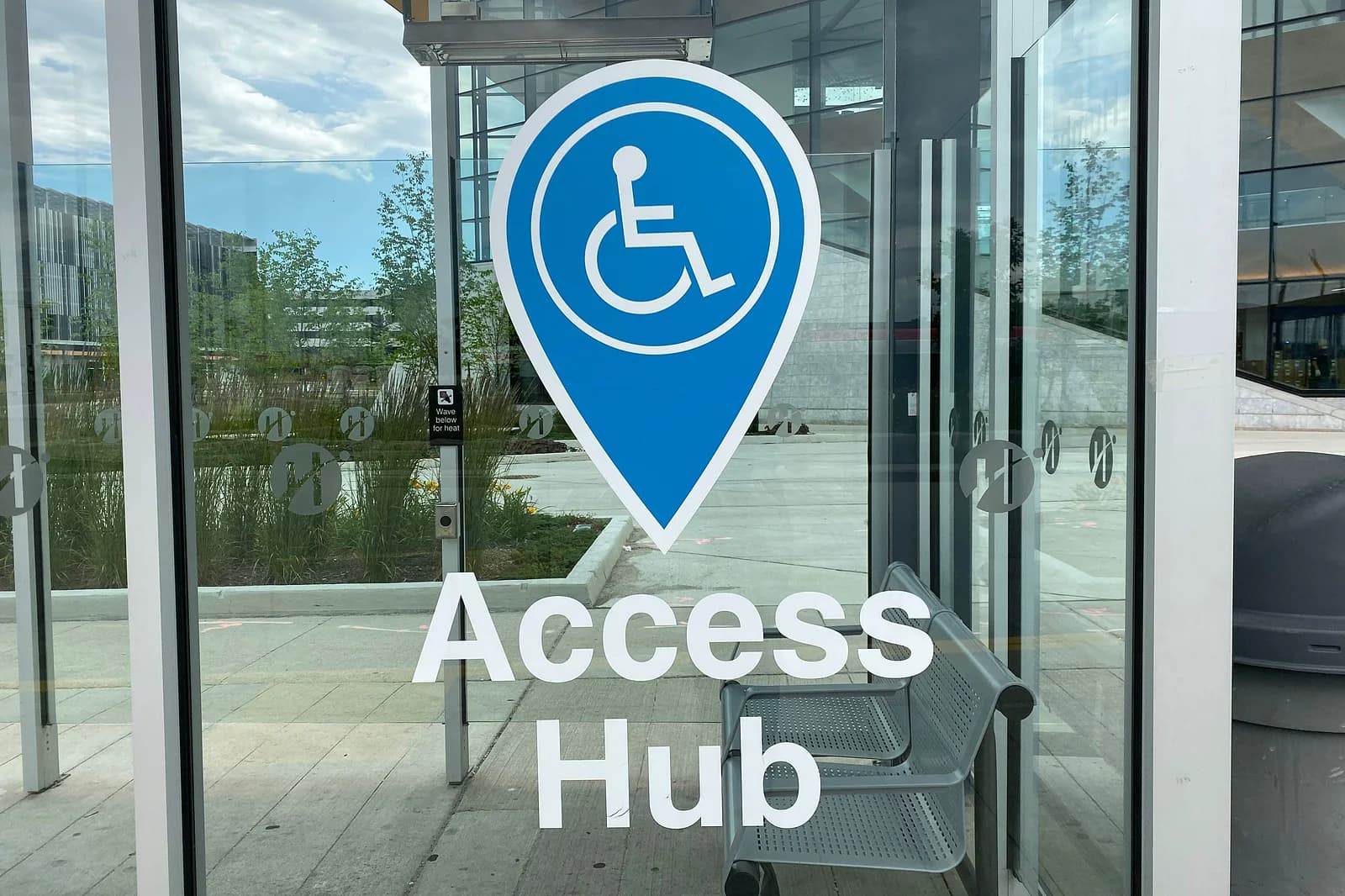
Yes. Every shelter we ship to Ontario meets **AODA** (Accessibility for Ontarians with Disabilities Act) integrated standards, including ≥1500 mm clear floor space for wheelchairs, transfer benches, tactile wayfinding strips, and high-contrast colour bands. We also conform to **CSA B651**, the **BC Building Code Section 3.8**, and the **Quebec RBQ** accessibility provisions across all provinces. Compliance is documented per province: **AODA Design of Public Spaces** in Ontario, **RBQ Chapter VIII** in Quebec, **BC Accessibility Act** in British Columbia, and the federal **Accessible Canada Act** for federally-regulated sites (airports, federal-government buildings). Every shelter ships with the **CSA B651-18 design checklist** cross-referenced to the as-built drawings, which most procurement teams drop directly into their accessibility-board review pack. A free **accessibility audit** of any existing shelter network is available on request — useful when planning capital-renewal upgrades.

How long does a bus shelter installation take?

A standard 4-foot or 6-foot freestanding shelter installs in **4–8 hours** on a prepared concrete pad. If we pour footings, total project time is **3–5 days** including 48-hour concrete cure. Larger custom or modular configurations take **1–2 weeks**. Smart-shelter electrical and data hookups add 1 day. We coordinate around transit-service schedules and typically complete municipal installs in single overnight windows. Permitting is the variable: in mature municipalities (Toronto, Montréal, Vancouver, Ottawa, Calgary) building and right-of-way permits issue in **2–4 weeks**; smaller municipalities can stretch to **6–8 weeks** when the public-works engineer is the only reviewer. We handle the permit submission ourselves and provide weekly status updates. For projects with tight occupancy-permit deadlines, a **temporary-shelter rental** (8-week minimum) covers the gap until the permanent install completes — used most often on private-developer site-plan-approval timelines.

Ready to spec a shelter for Trois-Rivières?

Send us your scope, route, or RFP — our bid desk responds within one business day with stamped engineering and a fixed quote.

Across Canada

Other Canadian cities we serve